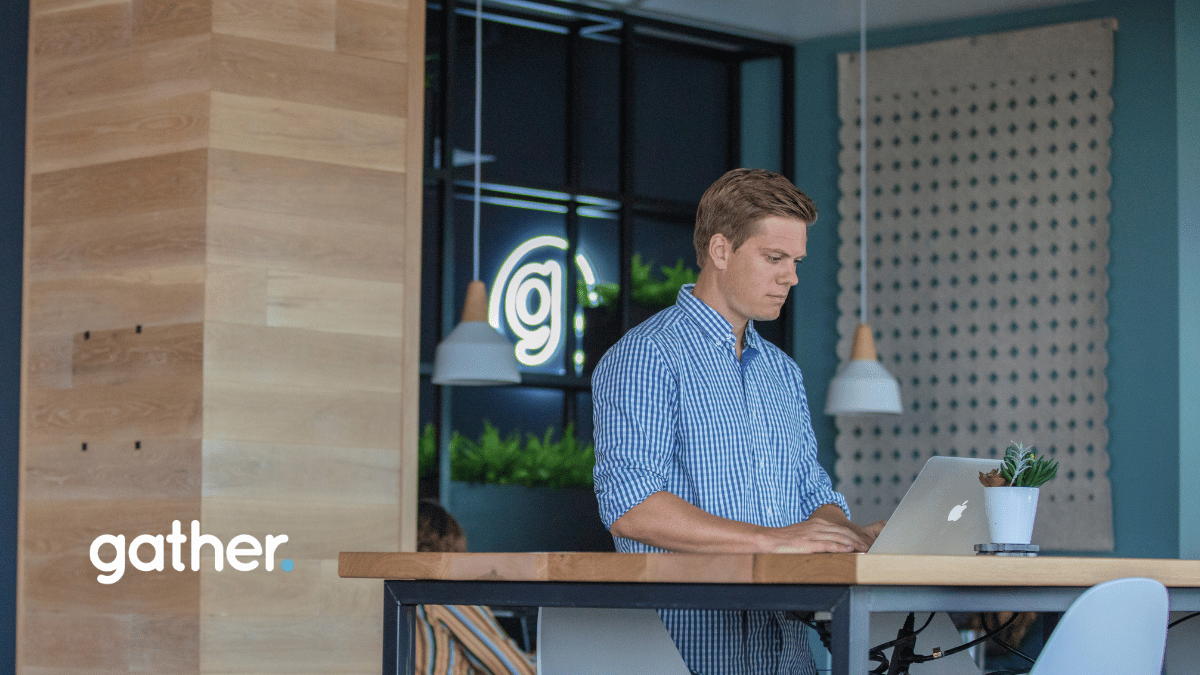
Maximize Natural Light Exposure
Natural light represents one of the most powerful environmental factors affecting focus.
Research shows that office workers exposed to natural light sleep an average of 46 minutes longer per night compared to those in windowless spaces, directly improving next-day concentration. Additionally, research from Cornell University found that workers in daylit office environments with optimized natural light reported an 84% drop in symptoms of eyestrain, headaches, and blurred vision, along with a 10% decrease in drowsiness.
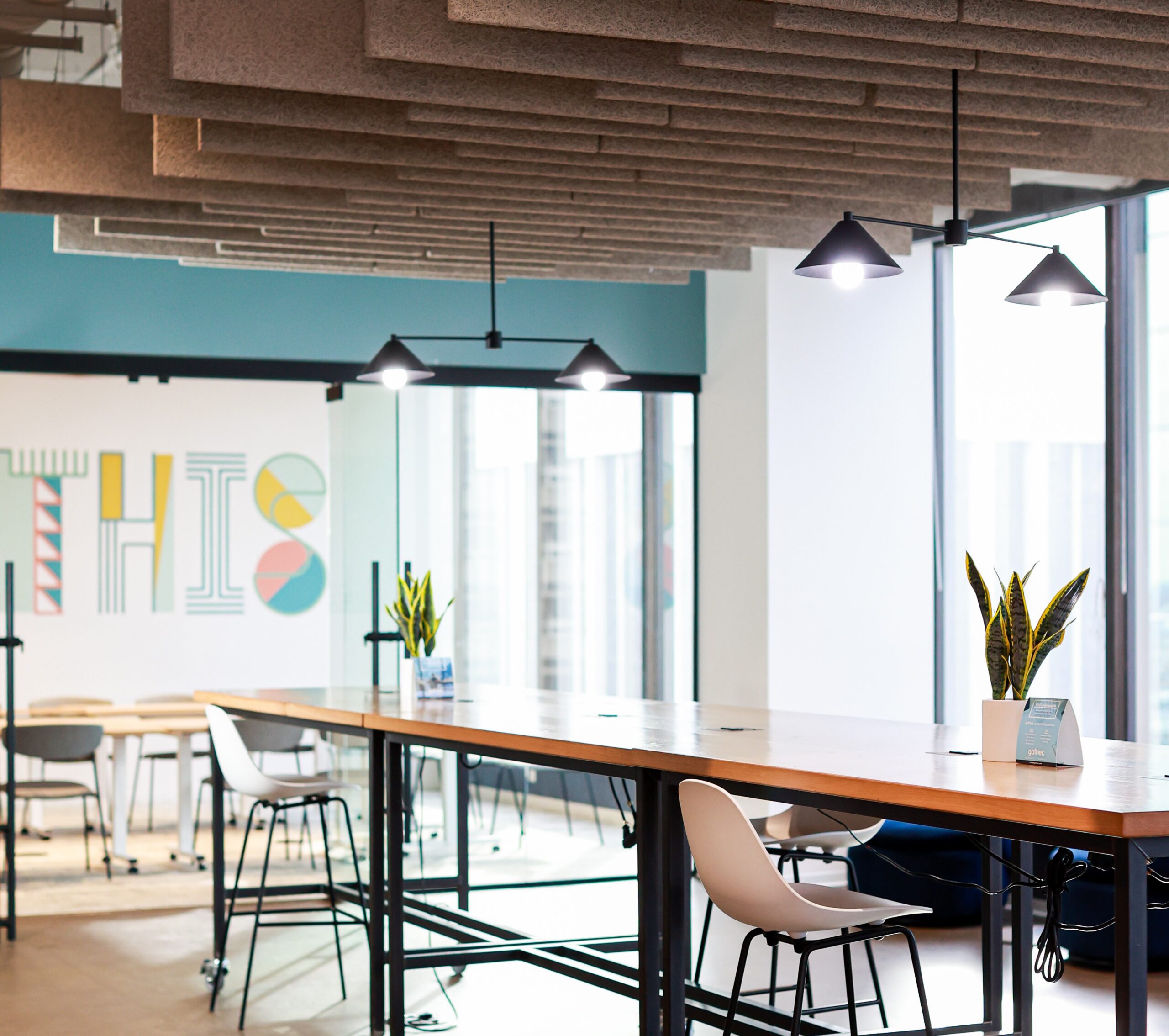
Gather Norfolk
Workspaces that incorporate natural light make a big impact on your focus.
Coworking spaces with extensive windows and skylights provide consistent natural light exposure throughout the day. Position yourself as close to natural light sources as possible during peak focus hours.
Incorporate Movement Throughout Your Day
Prolonged sitting impairs cognitive function. Research from the American Society of Interior Designers found that workers using height-adjustable desks reported 65% increased productivity after one year, along with better concentration ability.
Standing promotes blood flow and oxygen delivery to the brain, supporting mental functions like analytical thinking and problem-solving. Coworking environments offering both traditional and standing desk options let you alternate positions based on task requirements.
Even without standing desks, incorporating movement breaks every hour maintains focus throughout the day and week.
Use Time-Blocking Techniques
The human brain isn’t wired for sustained focus beyond 45-90 minutes. The Pomodoro Technique—25 minutes of focused work followed by 5-minute breaks—aligns perfectly with natural attention spans. Author Cal Newport’s Deep Work methodology suggests 50-minute blocks for intense cognitive tasks, noting that few can maintain peak cognitive intensity for more than an hour without relief.
Identify your three most important tasks each morning. Block uninterrupted time for each, eliminating all distractions during focus periods. The 90-minute ultradian rhythm works particularly well for complex projects requiring sustained attention.
Switch Work Environments Strategically
Working in the exact same spot for an entire day can dull your focus. Changing physical locations between tasks refreshes attention and prevents the mental staleness that accompanies spending entire days in identical settings.
Coworking spaces naturally support this strategy through varied environments like quiet library zones for analytical work, collaborative tables for team sessions, comfortable lounges for creative thinking, and private phone booths for calls.
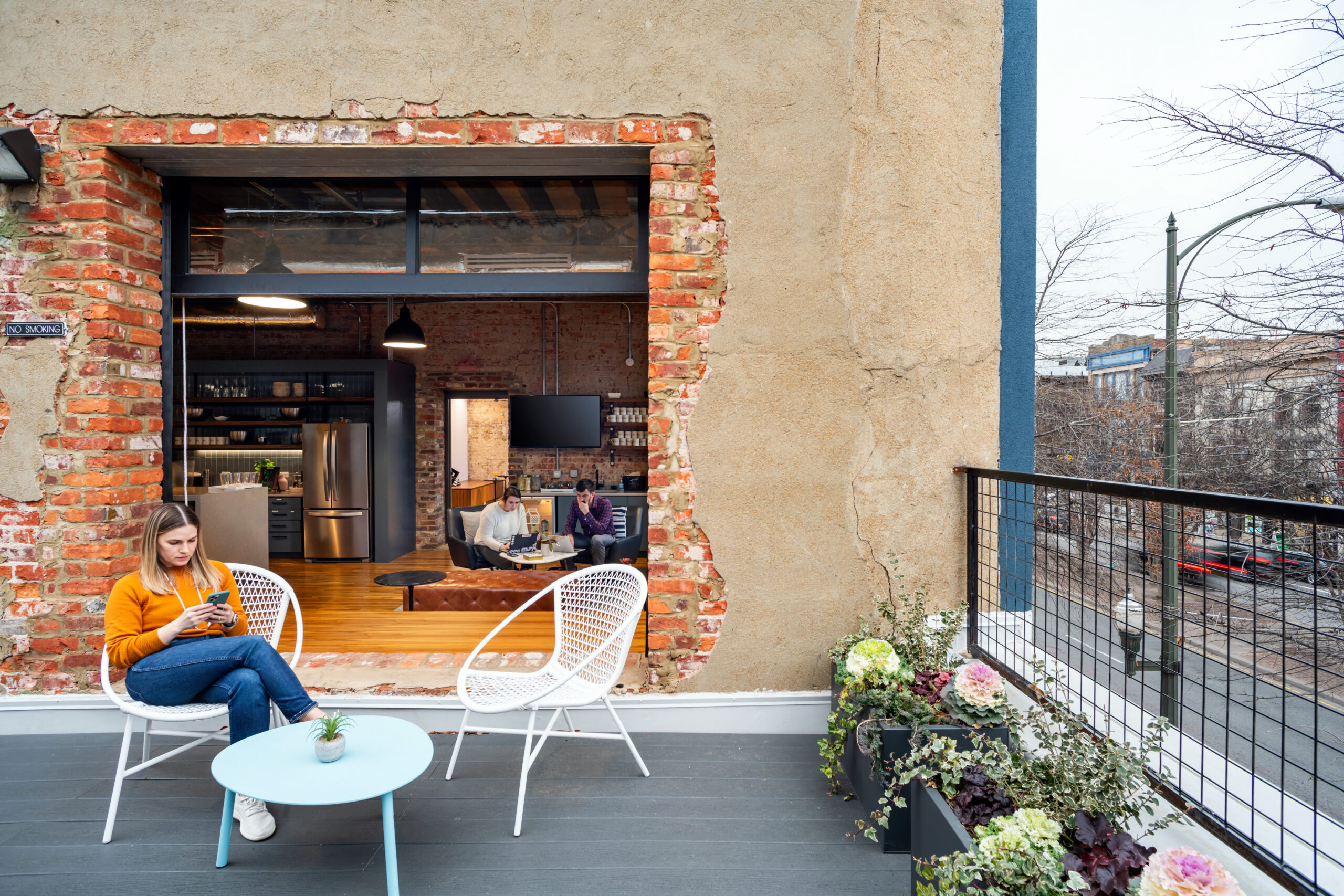
Gather Arts District
Moving between these spaces based on task requirements maintains engagement and signals clear mental boundaries between different work modes.
For remote workers, alternating between a home office, coworking space, and a café can provide similar benefits. The investment in day pass memberships pays off through improved focus and higher quality output.
Eliminate Digital Distractions
Every phone check introduces a recovery period before your brain regains full focus. These seemingly brief interruptions compound throughout your workday, robbing you of hours of productivity every week.
During focus blocks, place your phone in a different room entirely. Close all browser tabs except those directly related to your current task. Use website blockers during deep work sessions.
Email presents a particularly persistent challenge. Instead of reactive inbox monitoring, designate two specific times each day for email processing. This structure maintains communication while protecting certain hours for focused work.
Take Strategic Breaks
Breaks aren’t procrastination, they’re neurologically necessary for sustained focus.
The key is the quality of the break you take.
Scrolling social media doesn’t restore attention; it fragments it further. Effective breaks involve genuine cognitive recovery: brief walks outside, stretching, or casual conversation with colleagues. And remember taking a break from one screen (your computer) and filling that time with your phone screen doesn’t count as a quality break.
Cal Newport recommends taking 10-15 minutes of complete mental rest after 50-90 minutes of focused cognitive effort. Physical movement during breaks proves particularly effective. A five-minute walk improves focus more than five minutes of seated rest.
Design Morning Rituals for Deep Work
Your first work hours determine daily productivity. Research on cognitive performance shows mental clarity and willpower peak in morning hours, making this period ideal for your most demanding work.
The strategy? Protect your mornings ruthlessly.
Before checking email or attending meetings, spend the first 90-120 minutes on your highest-priority, most cognitively demanding task. The morning ritual includes environmental setup: the same workspace, beverage, and ambient noise level. These consistent cues signal to your brain that deep work begins now.
Professional coworking spaces support morning focus through early access and quiet morning atmospheres, reinforcing productive rituals rather than the distractions of household demands.

Gather Virginia Beach
No matter how you work, Gather’s flexible workspaces are thoughtfully designed to help you protect your focus, keep your energy levels up, and get the most out of every workday.
Explore workspaces that help you be more productive.