How Environment Impacts Focus: The Psychology Behind Coworking Spaces
How Environment Impacts Focus: The Psychology Behind Coworking Spaces
The environment people work in has a direct impact on focus, motivation, and overall performance. From lighting and noise levels to layout and visual design, small details in a workspace can either support concentration or create constant distraction. Understanding the psychology behind these elements helps explain why well-designed coworking spaces can improve focus for many professionals.
Visual Design and Mental Clarity
Cluttered or poorly designed spaces can overwhelm the brain, making it harder to concentrate. Clean layouts, intentional spacing, and thoughtful design reduce visual noise and help people stay focused on the task at hand.
Natural light also plays a major role. Studies show that access to daylight can improve mood, energy levels, and alertness, all of which contribute to better focus throughout the day. Coworking spaces that prioritize light and open sightlines help create a calmer, more productive atmosphere.
Noise and Cognitive Load
Sound is one of the biggest environmental factors affecting focus. While complete silence can feel isolating, constant or unpredictable noise increases cognitive load and makes concentration more difficult.
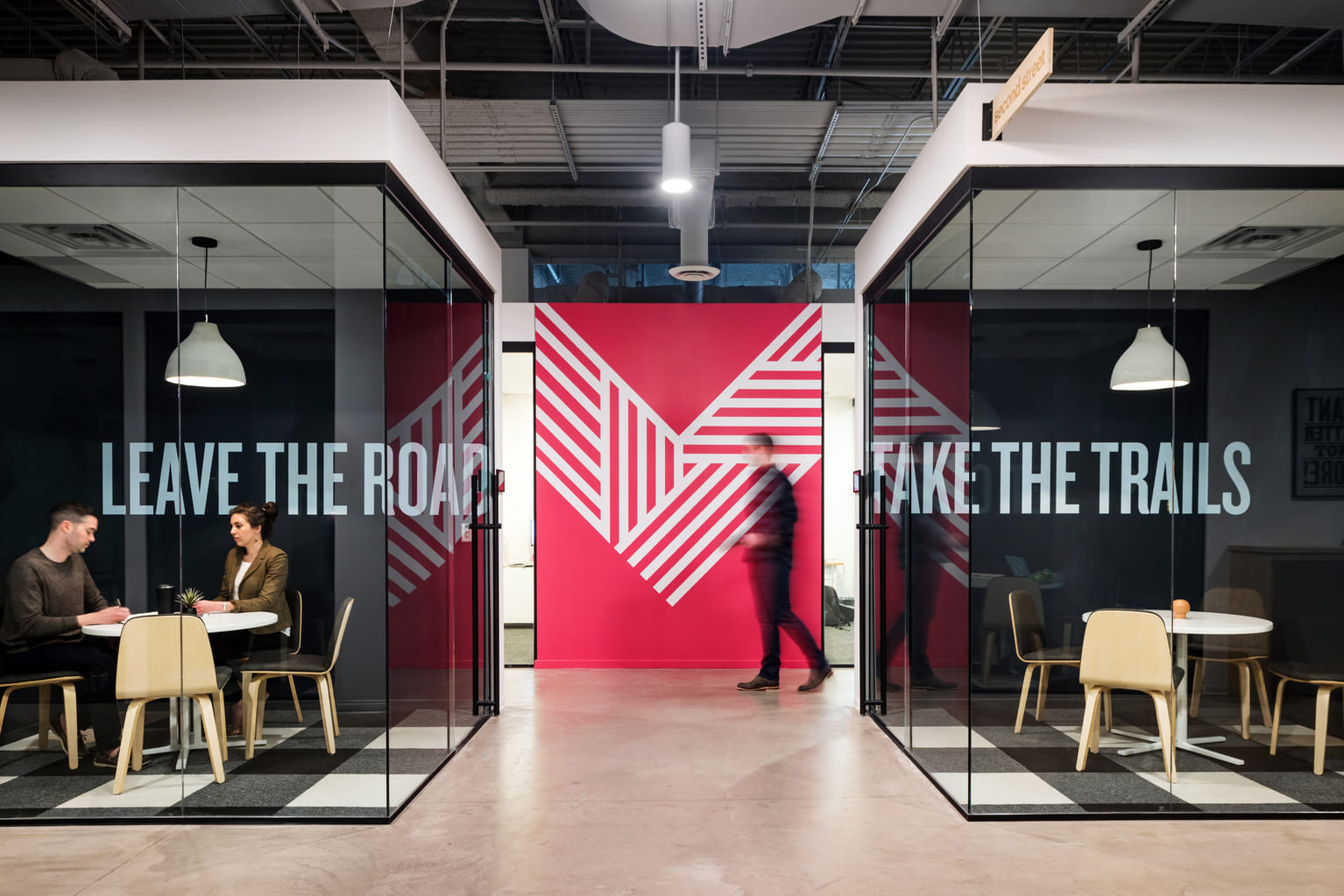
Coworking spaces address this by offering a range of environments:
- Quiet areas for focused work
- Phone rooms for calls
- Meeting spaces for group discussions
This variety allows individuals to choose the setting that best matches their cognitive needs at any given moment.
Layout and Sense of Control
A sense of control over one’s environment is closely tied to focus. When people can choose where and how they work, they tend to feel more engaged and less stressed.
Flexible layouts, access to private offices, and a mix of open and enclosed spaces give professionals autonomy over their workday. This autonomy supports sustained focus and reduces the mental fatigue that comes from working in rigid, one-size-fits-all environments.
Social Presence and Motivation
Being around others who are working can have a subtle but powerful effect on motivation. Psychologists refer to this as social facilitation, where the presence of others encourages individuals to stay on task and maintain productivity.
Coworking spaces often strike a balance by creating an environment that feels active without being distracting. This background energy can help maintain focus while avoiding the isolation that sometimes comes with working alone.
Comfort and Cognitive Performance
Physical comfort directly impacts mental performance. Poor seating, inadequate lighting, or uncomfortable temperatures can quickly pull attention away from work.
Coworking spaces designed with comfort in mind, including ergonomic furniture and climate-controlled environments, help reduce physical distractions so focus can stay on work rather than discomfort.
Why Design Matters in Modern Workspaces
Focus is not just about personal discipline, it is heavily influenced by the environment. Coworking spaces that apply principles from psychology and design can support deeper concentration, better energy levels, and more consistent performance.
At Gather Workspaces, environments are intentionally designed to support focus through thoughtful layouts, varied workspaces, and attention to comfort and functionality. When the environment works with you instead of against you, staying focused becomes easier.
Check out How the Right Workspace Design Boosts Productivity and Team Performance


